




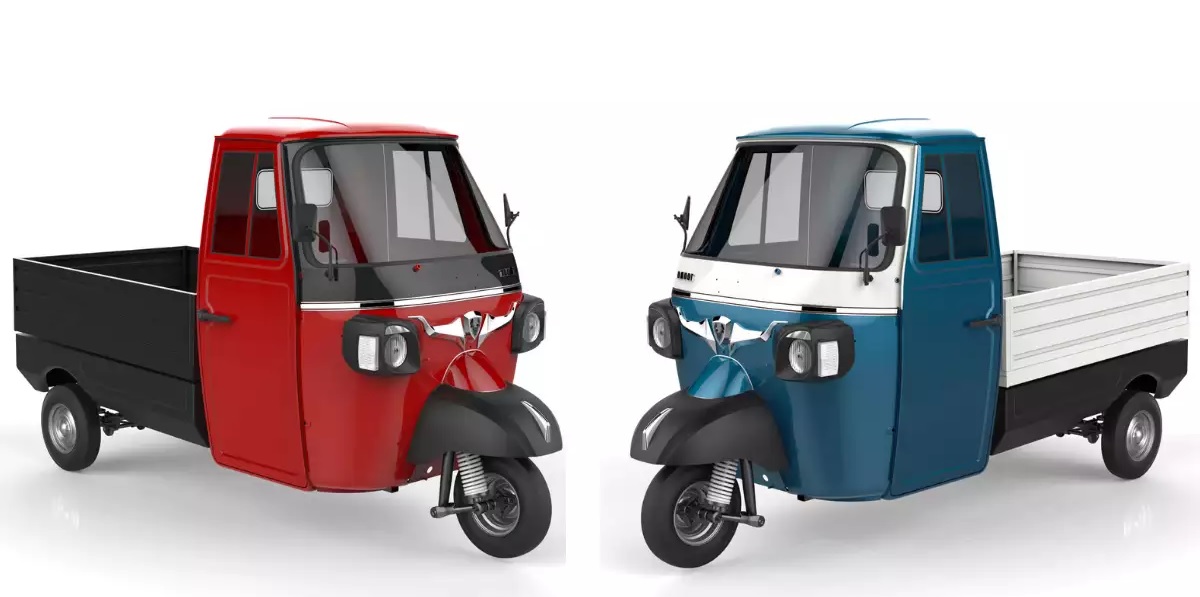
Electric vehicle manufacturer Etrio has announced that it will primarily supply 100 units of its Touro brand of e-three-wheelers to logistics startup Zypp Electric for last-mile delivery, and scale it up to 1,000 units in the following six-eight months, under a fresh partnership. To begin with, Zypp will position Etrio's Touro Mini in Delhi-NCR which will further be reinforced by presence across topographies in the country, going forward.
Besides, Etrio will also provide end-to-end service support to Zypp through its dealer network along with a devoted relationship manager for maximum uptime, it said.
"Since the launch of Touro early this year, we have seen a phenomenal response coming in from both institutional and retail customers. Touro Mini sets a new standard in the e-rickshaw/ e-loader category and the positive feedback on the product has bolstered our efforts to build best-in-class products for the last-mile delivery market," said Deepak MV, Co-founder, and CEO, Etrio.
"We are dedicated to providing the best of service to upscale Zypp's three-wheeler fleet, and to our overarching goal to become an undisputed market leader in this category," he said.
With its partnerships across e-commerce, e-grocery, hyper-local delivery merchants, Zypp provides over three lakh shipments every day, as per the press release.
Adding three-wheelers will spread their footprint and options for their customers to cover medium-to large-size shipments too. Some of their customers for which Touro would be positioned include Swiggy, Zomato, Big Basket, Apollo Pharmacy, it said.
"Zypp and Etrio share some great synergies and we are looking forward to scaling this up with both L3 and L5 models to serve the fast-growing last-mile delivery segment," said Akash Gupta, Co-founder, and CEO, Zypp Electric.
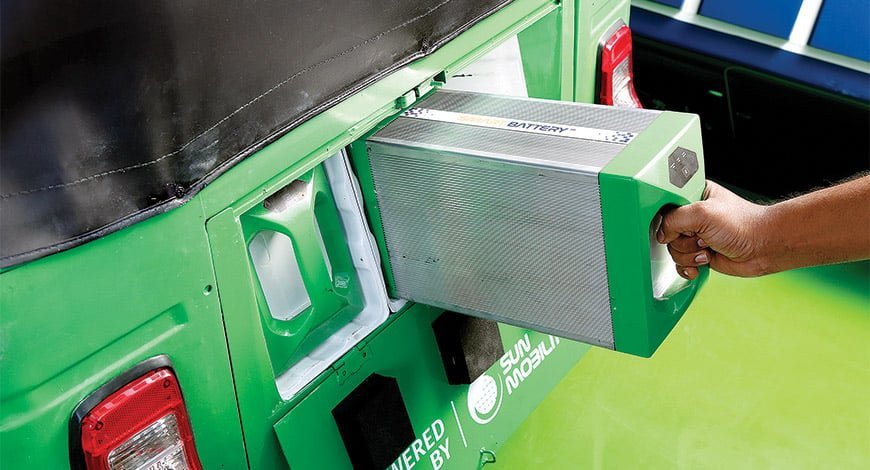
According to Etrio, its three-wheelers help the logistics and e-commerce operators supervise vehicle usage and monitor the real-time status of each vehicle including the current charging level.
The company claims that Touro saves up to 60-70 percent of the operating costs as compared to a diesel three-wheeler.